How much does a hospital bed for home use typically cost?
How much does a hospital bed for home use typically cost?
Here’s a table summarizing the typical costs of hospital beds for home use:
| Type of Bed | Cost Range | Features |
|---|---|---|
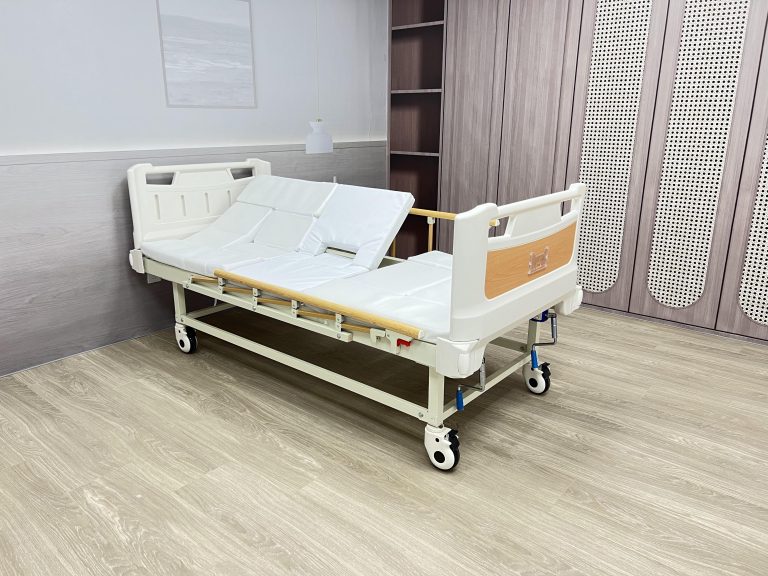
| Manual Hospital Beds | $400 – $800 | Manual adjustment of head, foot, and height positions using cranks. |
| Semi-Electric Hospital Beds | $800 – $1,500 | Electric adjustment of head and foot sections, manual height adjustment. |
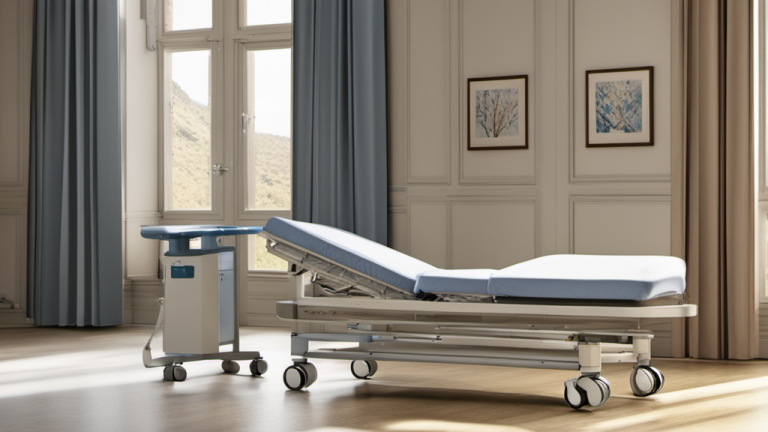
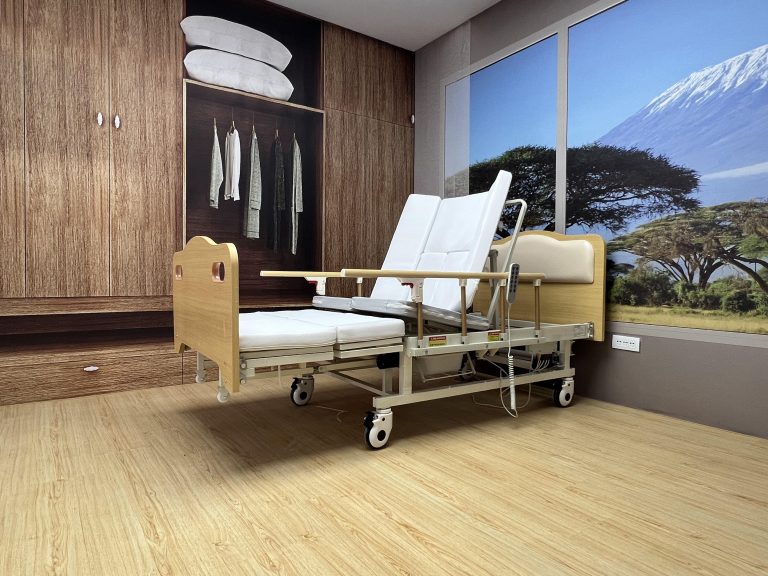
| Fully Electric Hospital Beds | $1,500 – $3,000 | Fully electric adjustment of head, foot, and height positions. |
| Bariatric Hospital Beds | $2,000 – $5,000 | Designed for higher weight capacities, reinforced frames, and wider dimensions. |
| Low Air Loss and Specialty Mattresses | $1,000 – $5,000 | Advanced features for pressure relief, air circulation, and skin care. |
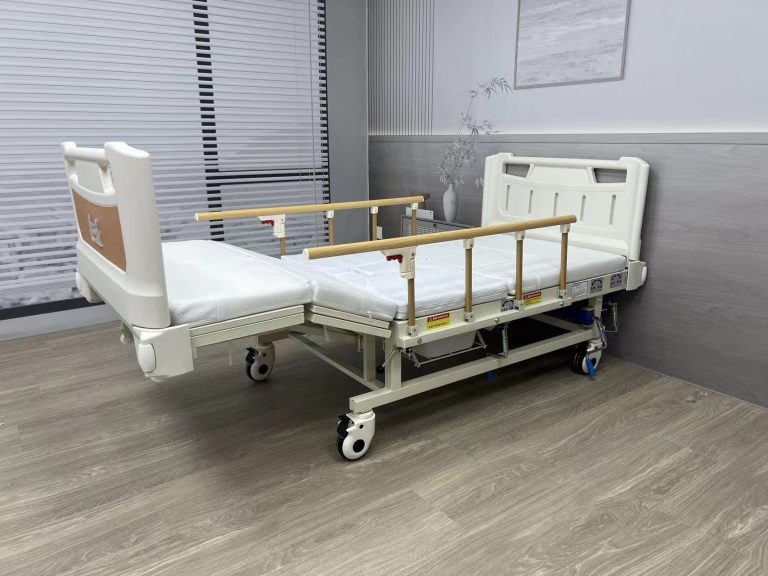
| Side Rails | $100 – $300 | Safety rails to prevent falls and assist with repositioning. |
| Overbed Tables | $100 – $200 | Tables that can be adjusted over the bed for eating or other activities. |
| Mattress Covers and Liners | $50 – $200 | Protective covers and liners for hygiene and mattress protection. |
| Rental Costs | $150 – $300 per month | Temporary use of hospital beds, including delivery and setup. |
This table provides a clear overview of the cost ranges and features associated with different types of hospital beds and accessories.
What factors influence the price of a hospital bed?
Several factors can influence the price of a hospital bed. Here’s a breakdown of the key factors:
- Type of Bed:
- Manual: Generally less expensive.
- Semi-Electric: Mid-range cost.
- Fully Electric: Higher cost due to more complex mechanisms.
- Bariatric: Higher cost due to reinforced construction and greater weight capacity.
- Features and Adjustability:
- Adjustability: Beds with more adjustable features (head, foot, height) typically cost more.
- Special Functions: Features like Trendelenburg positions, and side rails can increase cost.
- Mattress Type:
- Basic Foam: Less expensive.
- Gel, Air-Fluidized, or Specialty Mattresses: More expensive due to advanced pressure relief and other features.
- Brand and Quality:
- Reputation: Well-known brands or those with higher quality materials and construction usually come with a higher price tag.
- Durability: Higher quality materials often mean a higher cost.
- Weight Capacity:
- Standard Capacity: Typically less expensive.
- Bariatric Capacity: More expensive due to reinforced construction and additional support.
- Customization:
- Custom Features: Custom-built or specialty beds tailored to specific needs can be more costly.
- Accessories:
- Side Rails, Overbed Tables, and Mattress Covers: Additional accessories increase overall cost.
- Additional Functions: Features like integrated scales or advanced control systems can add to the price.
- Installation and Delivery:
- Included or Extra: Some prices include delivery and installation, while others charge separately.
- Insurance and Coverage:
- Coverage: Insurance or Medicare coverage may offset some of the costs, affecting out-of-pocket expenses.
- Geographical Location:
- Regional Pricing: Costs can vary based on location due to differences in shipping, labor, and local demand.
- Rental vs. Purchase:
- Rental Costs: Renting a bed is often more affordable for short-term needs, but purchasing is typically more cost-effective for long-term use.
These factors collectively impact the final price of a hospital beds for home, so considering them can help in choosing the best option that fits the needs and budget.
Are there additional costs associated with purchasing a hospital bed?
Yes, there can be additional costs associated with purchasing a hospital bed beyond the initial price. These might include:
- Delivery and Installation Fees: Some companies charge extra for delivering and setting up the bed.
- Accessories and Upgrades: Items like mattress pads, side rails, or specialized cushions may cost extra.
- Warranty and Service Plans: Extended warranties or service plans might be available for an additional fee.
- Insurance: Depending on your insurance coverage, there may be costs related to co-pays or deductibles.
- Maintenance and Repairs: Ongoing maintenance or unexpected repairs can also add to the overall cost.
It’s a good idea to ask the supplier about all potential additional costs and check if any of these can be covered by insurance.
How much does it cost to maintain a hospital bed?
The cost of maintaining a hospital bed can vary depending on several factors, including the type of bed, its age, and usage. Here are some typical maintenance costs:
- Routine Maintenance: This includes basic checks and minor adjustments, usually performed annually. Costs might range from $100 to $300 per year, depending on the service provider and bed type.
- Repairs: Unexpected repairs can be more costly. Common repairs might include motor issues for electric beds or replacing broken parts. Costs can range from $200 to $500 or more per incident, depending on the nature of the repair.
- Replacement Parts: If parts like mattresses, side rails, or wheels need replacing, costs can vary widely. For example, a new mattress might cost $100 to $500, while side rails could be $50 to $200 each.
- Service Contracts: Some companies offer service contracts or extended warranties that cover maintenance and repairs. These contracts can cost $200 to $500 annually.
It’s a good idea to check with the bed’s manufacturer or supplier for specific maintenance recommendations and cost estimates.
FAQ
What factors influence the price of a hospital bed?
- Factors include the type of bed (manual, semi-electric, fully electric), brand, features, and additional accessories.
Are there any ongoing costs associated with using a hospital bed?
- Ongoing costs may include maintenance, repairs, and replacement parts.
How do I choose the right hospital bed for my needs?
- Consider factors like the level of adjustability needed, budget, and any specific medical requirements.
What should I check before purchasing a hospital bed?
- Check for warranty details, read reviews, compare features, and ensure compatibility with your space and needs.
Are there any hidden costs when buying a hospital bed?
- Potential hidden costs may include delivery charges, installation fees, and additional accessories not included in the base price.
Sources
Last reviewed: July 20, 2024