
Home-care equipment should feel dependable before it ever reaches your door.
Epachois focuses on hospital beds, pressure-relief mattresses, mobility equipment, bathroom safety products, and accessories for families caring for elderly users, patients in recovery, and people who need safer support at home.
For a product that can cost thousands of dollars, a short “About Us” paragraph is not enough. This page explains how we think about product selection, engineering, production preparation, quality checkpoints, freight delivery, warranty support, and long-term customer care.

A manufacturer and supplier focused on practical home-care equipment.
Epachois was created to help improve the quality of life for elderly users, people recovering at home, and family caregivers who need reliable equipment without turning the home into a hospital. The original Epachois story described a company dedicated to high-quality hospital beds, safer recovery, and reducing the daily burden on families. That direction is still the center of the brand.
Our product work is built around a simple idea: home-care equipment must be clear enough for families to understand, strong enough for daily use, and supported well enough that customers do not feel abandoned after purchase.
That is why Epachois combines product sourcing, manufacturing coordination, product education, U.S. fulfillment support, and after-sales service into one process. We do not want customers to choose a bed only because of a picture. We want them to understand the size, functions, mattress fit, accessories, delivery requirements, and support path before they buy.
Most customers are not simply buying a bed. They are trying to make daily care safer.
The people who visit Epachois often have urgent, practical questions. They need to know what fits the room, what helps transfers, what kind of mattress is needed, whether freight delivery is suitable, and what happens if support is needed after purchase.
Families preparing a recovery room
Families may need a full-electric bed, mattress, rails, IV pole, overbed table, or bathroom safety equipment. We organize product information around real use: transfers, comfort, pressure relief, caregiver access, room size, and basic daily maintenance.
Caregivers supporting elderly users
Caregivers need equipment that reduces bending, lifting, and awkward handling. Height adjustment, lockable wheels, side rails, remote control placement, and mattress support all matter because they affect daily care, not just product appearance.
Home-care teams and facilities
Small care providers need equipment that is straightforward to order and easier to explain to families. We aim to make product specs, comparison tables, warranty terms, and shipping expectations readable before the order is placed.
Production is not just a product photo. It is a chain of decisions.
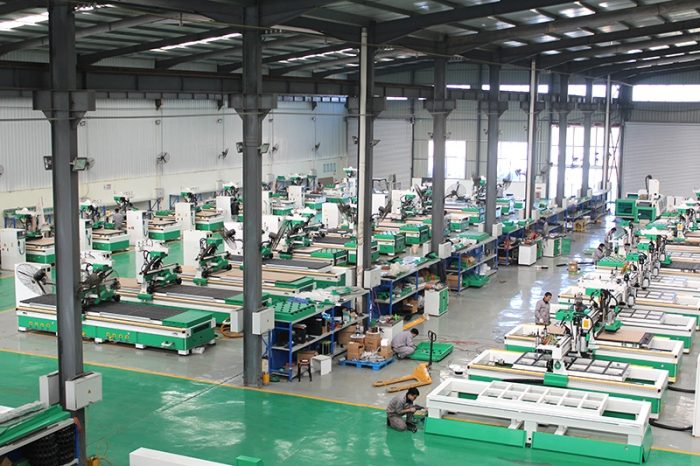
Original Epachois material included factory-related visuals and manufacturing-oriented language because the product category requires more trust than ordinary household goods. A hospital bed is a structural, mechanical, electrical, and freight-shipped product. Customers need to feel that there is a real production environment behind the listing.
Our production coordination focuses on the parts of the product that most affect daily safety and usability: the bed frame, lifting structure, head and knee adjustment, wheels and brakes, hand control, guardrail compatibility, mattress platform, surface finish, packaging, and replacement-parts support.
For home-care equipment, the details are not decorative. A bed that is difficult to move, hard to clean, unclear to operate, or poorly packed can create stress for the caregiver. That is why our product pages and support materials emphasize size, configuration, function count, included items, and use cases.

From product planning to shipment, each stage has a different responsibility.
- Care scenario reviewWe begin with the use case: recovery, elderly care, transfer support, pressure relief, bathroom safety, or daily mobility.
- Configuration selectionWe review key specifications such as bed size, height range, function count, included mattress, rails, accessories, wheels, remote control, and load expectations.
- Production preparationFrame structure, surface finish, mechanical movement, electrical components, and accessory compatibility are checked before large equipment moves into fulfillment.
- Packaging and freight planningLarge products require carton protection, secure packaging, handling labels, and practical freight expectations for residential delivery.
- Customer-facing documentationWe present product specifications, comparison tables, shipping guidance, warranty information, and support paths so customers can make a clearer decision.
R&D starts from the questions families actually ask.
In home care, “advanced” does not only mean more buttons. It means the equipment solves daily problems with less confusion.
Function and motion
Hospital beds are evaluated around practical movement: head elevation, knee adjustment, full-electric control, height adjustment where available, and whether the movement range fits common care scenarios.
- Head and back support for resting, reading, or breathing comfort
- Knee and leg positioning for pressure distribution
- Hi-Lo height adjustment for transfer and caregiver access
- Remote control clarity and everyday operation
Safety and usability
Home-care users may not have professional medical staff present every day. Equipment should therefore be easier to understand, easier to position, and less intimidating for family caregivers.
- Stable bed frames and lockable movement where applicable
- Side-rail and accessory compatibility
- Clear product dimensions before purchase
- Room planning for doors, hallways, and bedside access
Mattress and pressure relief
Bed selection is incomplete without mattress selection. Pressure relief, mattress thickness, surface type, and user comfort must be considered together with bed size and care needs.
- Pressure relief mattresses for longer bed rest
- Air mattress options for alternating support
- Compatibility between bed platform and mattress size
- Caregiver guidance for choosing the right surface
Packaging and serviceability
R&D also includes how a product is packed, moved, identified, and supported. Large equipment must survive freight handling and still be serviceable after arrival.
- Carton and component protection
- Accessory grouping and included-item clarity
- Replacement-part and warranty communication
- Better photos, specs, and comparison content for buyers
Customers need visible signals that the product has been thought through.
Exact requirements vary by model, but the quality mindset is consistent: structural stability, reliable movement, safer daily operation, packaging protection, and clear after-sales support.

Large equipment requires a different delivery mindset.
A hospital bed is not shipped like a small parcel. It is heavy, bulky, and often delivered by freight carrier. That means the customer needs clear expectations before purchase: carton size, delivery method, address access, contact availability, and what to check when the product arrives.
Epachois explains freight delivery because confusion at this stage can create stress. Large products may require appointment scheduling, curbside or threshold-style handling depending on the carrier, and careful carton inspection at delivery. Customers should keep packaging until the product is checked and should contact support if there is visible damage or missing items.
Our goal is not simply to “ship fast.” Our goal is to make the movement from production preparation to home delivery more understandable.

Trust is built before and after the purchase.
For home-care equipment, the customer relationship does not end when the order is placed. Buyers may need help comparing beds, understanding delivery, checking included accessories, or reviewing warranty and return policies.
Before purchase
Customers can compare bed models, read product dimensions, review mattress and accessory options, and contact support if they are unsure which product fits the care situation.
Compare BedsDuring shipment
We provide shipping guidance for large equipment, including what to expect from freight delivery and how to review the carton when it arrives.
Shipping DetailsAfter arrival
Warranty and return guidance is kept visible so customers can understand what is covered, what is eligible, and how to contact support if a problem appears.
Warranty InfoOne care room may need more than one product category.
Production walkthrough
The original site materials referenced a factory-video style area. Until the verified Epachois YouTube URL is confirmed, this section keeps the production walkthrough space visible with real production imagery instead of embedding an unrelated video. Once the correct YouTube link is supplied, the preview can be replaced with a live embedded player.
Questions buyers often ask before purchasing large home-care equipment.
Why does Epachois provide so much information?
Because home-care equipment is a high-consideration purchase. Customers need more than a short product title. They need dimensions, use cases, delivery guidance, warranty information, and a clear path to support.
How should I choose between hospital bed models?
Start with the care scenario: room size, transfer needs, caregiver access, mattress requirements, height adjustment, included accessories, and budget. The comparison page is designed to make the first decision easier.
Why does freight delivery matter?
Large beds and care equipment are heavy and bulky. Freight delivery has different expectations than a small parcel, including scheduling, carton inspection, and handling limitations.
What should I check after delivery?
Inspect the carton, keep packaging until the product is reviewed, check included parts, and contact support if there is visible damage or missing equipment.