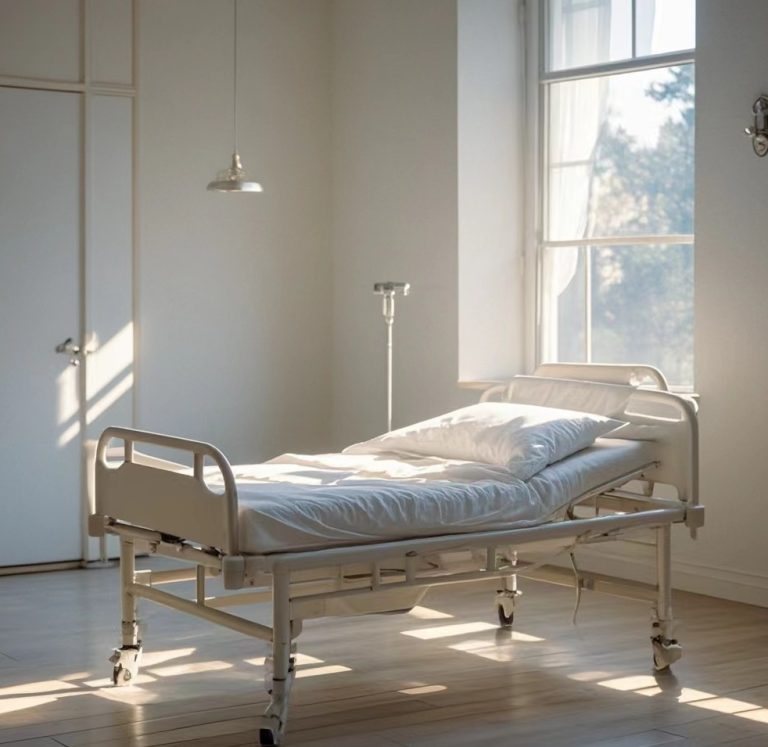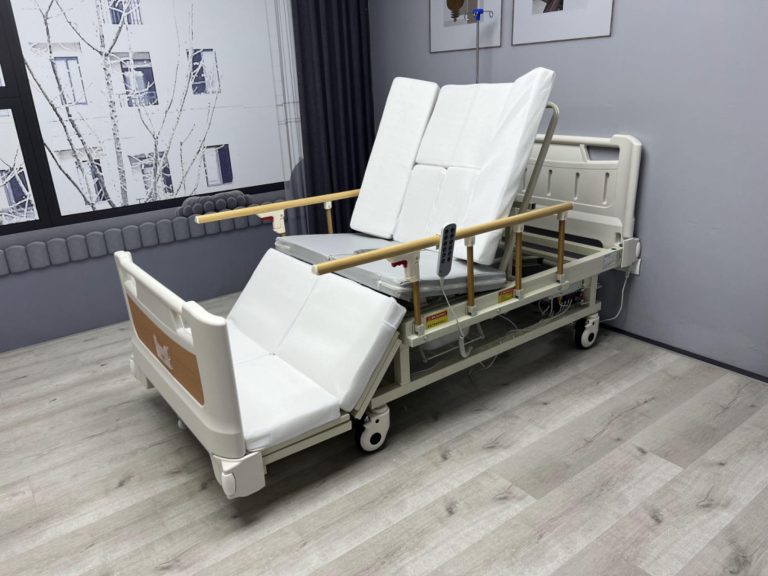
How a Hi-Low Bed and the Right Mattress Cut Bedsore Risk at Home
How a Hi-Low Bed and the Right Mattress Cut Bedsore Risk at Home
You have been told to turn Mom every two hours. After day three you understand why nobody mentioned what that does to your back, or how hard it is to keep going through the night.
Bedsores are one of the things home caregivers are most warned about and least equipped to actually prevent, usually because the equipment around the bed makes the prevention work physically unsustainable.
This article covers the equipment side: how a hi-low bed and the right mattress make repositioning something a family can actually sustain, and what they do to redistribute the pressure that causes pressure injuries in the first place. It does not cover wound staging, treatment, dressings, or what to do when a sore has already developed. Those are conversations for a doctor or wound-care nurse.
What causes bedsores at home
Pressure injuries, also called bedsores, pressure sores, pressure ulcers, or decubitus ulcers, form when sustained pressure on the skin and underlying tissue restricts blood flow long enough for tissue to break down. They develop most often over bony areas where there is not much padding: the tailbone, hips, heels, shoulder blades, elbows, and the back of the head.
Four physical factors drive the risk:
- Pressure from staying in one position.
- Shear from skin being dragged across a surface, such as when someone slides down in the bed.
- Friction from rubbing against sheets.
- Moisture from sweat or incontinence, which weakens skin.
The clinical prevention plan is well established: regular repositioning, a pressure-redistributing support surface, skin checks, moisture management, and nutrition support. Where home prevention breaks down is usually not in knowing what to do. It is in the physical sustainability of doing it for weeks or months.
Why home repositioning fails
Hospitals reposition patients with the bed at waist height, often with a slide sheet, and with staff who hand off to another shift after 12 hours. Then someone goes home and is told to do the same thing, by themselves, on a low regular bed, for the foreseeable future.
A few things happen by the second week:
- The caregiver’s back starts to give out from leaning over the bed.
- The 2 a.m. turn gets skipped because the caregiver could not get back to sleep last time.
- The slide-up after the patient drifts down to the foot of the bed becomes a two-person job nobody can do alone.
- Skin checks get rushed because the whole process already feels too hard.
A single missed turn does not cause a pressure injury on its own, but a pattern of skipped or rushed repositioning can become a serious problem quickly.
A hi-low bed does not reposition the patient for you. What it does is make it physically possible for you to keep repositioning them: for weeks, not just days. That is the difference that matters.
How the bed helps with bedsore prevention
The equipment-side contributions to bedsore prevention break into three pieces.
Adjustable height: the caregiver-back piece
This is the most underrated factor in home bedsore prevention. A standard bed at 18 inches puts the work below the caregiver’s waist. Repositioning a 150-pound person from that angle, multiple times a day for weeks, ends in a back injury, and a back-injured caregiver does not reposition consistently.
Raising the bed to waist height for repositioning, then lowering it again for safe getting-up, changes the math. The same job becomes physically more sustainable. Combined with a slide sheet and proper body mechanics, which an OT or PT should walk you through in person, one caregiver may be able to reposition one patient without injury. See our caregiver guide to repositioning a loved one in bed.
Hi-low beds add the bottom end of the range. They drop to within a few inches of the floor, which matters for fall safety on the getting-up side but does not add much to bedsore prevention directly. The height that helps bedsore prevention is the high end of hi-low: waist height for caregiver work.
Head and foot articulation: shifting some sustained pressure
A hospital bed’s adjustable head and foot let you change a person’s position without a full manual turn. Raising the foot section slightly can help take weight off the heels. Raising and lowering the head changes pressure points on the shoulders and back.
These adjustments do not replace repositioning. A person sitting up at 45 degrees for hours is still putting concentrated pressure on the sacrum, and in some cases can add shear because the body slides forward. Used between full repositioning, articulation can help shift pressure across more of the body over time, and it is much easier on the caregiver than a full roll.
One specific warning: heel pressure is one of the most commonly missed problems at home. Heels left on a flat mattress for hours bear weight on a small area of bone. A small pillow under the calves to float the heels off the mattress is a standard prevention measure: easy to set up, easy to forget. Ask a home-health nurse or OT to show you how.
The mattress: the pressure-redistribution piece
The mattress is where pressure redistribution happens. There are three broad categories:
- Foam mattresses: basic to high-density. The high-density end, sometimes called therapeutic foam, redistributes pressure better than a standard mattress, but does not actively change pressure points.
- Gel or hybrid mattresses: combine foam with gel layers for better redistribution. They are often cooler and more comfortable than dense foam alone.
- Alternating-pressure mattresses: powered mattresses with air cells that inflate and deflate in cycles, actively shifting where the pressure points are. They are used for higher-risk situations.
Which one is right depends on how much time the person spends in bed, whether redness is already showing up, their nutrition and skin condition, and the wound-care nurse or doctor’s recommendation. Equipment is a complement to repositioning and skin checks, not a substitute. See how to choose a hospital bed mattress and our Pressure Relief & Bed Sore Prevention Hub.
A few mattress questions worth raising with the medical team:
- Is the current mattress doing the job, or do we need a pressure-redistributing surface?
- Is there enough risk to justify an alternating-pressure mattress?
- Are there pillows or positioning aids you recommend specifically for heels, hips, or between the knees?
The other prevention pieces equipment cannot replace
Equipment is one leg of a four-legged stool. The other three matter just as much.
Repositioning on a schedule. The classic guidance is every 2 hours when in bed and every 15 minutes when in a chair, but the exact schedule depends on the person’s risk. The medical team should tell you what schedule to follow. A bed that makes this possible is necessary; the schedule still has to happen.
Skin checks. Check bony areas at repositioning: sacrum, hips, heels, shoulder blades, elbows, back of head, behind the ears, and under medical devices. Look for redness that does not fade when you press on it. Any non-fading red area is a sign to call the doctor or wound-care nurse the same day. This is the most important early-warning signal in home pressure-injury prevention.
Moisture management. Skin that stays wet from sweat or incontinence breaks down faster. Change incontinence products promptly, dry the skin gently, and use barrier creams as recommended by the medical team.
Nutrition and hydration. Pressure injuries develop and heal partly on nutrition. A dietitian or the doctor can advise on protein and fluid needs. This is a medical conversation, not an equipment one.
Equipment without these steps does not prevent bedsores. These steps without equipment may not be sustainable. Both halves matter.
When to call the medical team
This part is non-negotiable. Equipment does not substitute for medical attention on a skin issue.
Call the doctor or wound-care nurse the same day if you see:
- Redness that does not fade when you press it for a few seconds and release.
- Broken skin, blisters, or shallow open wounds over a bony area.
- A darkening or purple area on the skin that was not there before.
- Any open wound on the sacrum, hips, heels, or anywhere bony.
Do not try to grade or treat a pressure injury at home from an article. Get a clinician to look at it. Earlier intervention is cheaper, less painful, and more effective.
When to upgrade the bed and mattress setup
A few practical triggers:
- Your loved one is in bed more than 15 to 20 hours a day.
- You are already turning on a schedule, and your back is paying the price.
- Redness is showing up over the sacrum, hips, or heels. Call the doctor first, then think about equipment.
- The medical team has mentioned pressure injury risk or a Braden score.
- A wound-care nurse is already involved.
- You have had a Stage 1 episode and want to keep it from progressing.
If multiple are showing up, the bed and mattress are part of the prevention plan, not just an upgrade. The hi-low capability matters mostly because it makes everything else sustainable.
Cost and how to pay for it
The cost picture for bedsore prevention equipment:
- Hi-low bed: roughly $2,000 to $4,000. Semi-electric beds are usually $900 to $1,800. See our home hospital bed cost guide.
- Mattresses: foam $150 to $400, pressure-relief foam or gel $400 to $800, and alternating-pressure mattresses $500 to $1,200.
- Medicare: may cover certain pressure-reducing support surfaces, including certain mattresses and overlays, when prescribed for use at home and documentation requirements are met. Medicare also has separate rules for hospital beds. See Does Medicare Cover a Home Hospital Bed in 2026?
- HSA/FSA: out of pocket, the bed and mattress may be eligible with a letter of medical necessity, depending on your plan.
The most common scenario: families pay for the hi-low feature themselves because Medicare often treats the height range as convenience, even when it is the feature that makes repositioning physically sustainable. The mattress decision depends on the risk level the medical team identifies.
I know none of this is what you wanted to be researching tonight, particularly if you are already exhausted. Most families do not get a heads-up. You learn this after the back pain starts or the first patch of red skin shows up. There is no perfect answer here. The goal is to make tomorrow a little easier than today.
What we tell families who call
Bedsore prevention calls usually come in two forms. The first is preventive: a hospice nurse or discharge planner has mentioned risk, and the family is trying to get ahead of it. The second is reactive: there is already a Stage 1 area and the family is scared.
For the first, we walk through the hi-low bed, mattress, and repositioning equation, and usually point to a hi-low bed with a pressure-relief foam or gel mattress as the practical baseline. For the second, we tell them to call the wound-care nurse today before they buy anything. The medical assessment changes which mattress is appropriate, and a wrong mattress purchase costs money without solving the problem. Our Buyer’s Guide and Compare Beds tool help once the medical picture is clear.
FAQ
How do you prevent bedsores at home?
A four-part plan: reposition on a schedule the medical team sets, do skin checks at each reposition for non-fading redness, manage moisture and incontinence promptly, and use a pressure-redistributing mattress. A hi-low bed makes the repositioning physically sustainable for the caregiver. Call a doctor or wound-care nurse the same day for any non-fading red skin or broken skin.
Does a hi-low bed prevent bedsores?
Indirectly, but powerfully. The hi-low feature itself does not redistribute pressure. What it does is let the caregiver raise the bed to waist height for repositioning, which makes turning physically possible for weeks rather than days. A back-injured caregiver does not reposition consistently, and missed repositioning is one of the most common causes of home pressure injuries.
What is the best mattress to prevent bedsores?
It depends on risk level. For lower-risk situations, a pressure-relief foam or gel mattress is often enough. For higher-risk situations, such as someone in bed all day with a history of skin breakdown, an alternating-pressure mattress that actively shifts pressure points may be more appropriate. Ask the doctor or wound-care nurse which fits your situation.
How often should I reposition a bedridden person?
The classic guidance is every 2 hours in bed and every 15 minutes when sitting in a chair, but the right schedule for your specific loved one comes from the medical team. Risk levels vary. Use the schedule they recommend, not the internet’s default.
Does Medicare cover a bedsore-prevention mattress?
Sometimes. Medicare may cover certain pressure-reducing support surfaces, including some mattresses and overlays, when prescribed for home use and when documentation requirements are met. The hospital bed itself follows Medicare’s separate durable medical equipment rules.
What is the first sign of a bedsore?
A patch of red skin over a bony area, such as the sacrum, hip, heel, shoulder blade, or back of head, that does not fade when you press it briefly and release. This can be a call-the-doctor-today signal, not a wait-and-see one. Do not try to stage or treat it at home from an article.
Can pillows alone prevent bedsores?
They help, especially for floating heels off the mattress and offloading hips when side-lying. But pillows do not substitute for a pressure-redistributing mattress in a person who spends most of the day in bed. Use them as a complement to the right mattress, not instead of one.
What if a bedsore has already developed?
Call the doctor or wound-care nurse the same day. Do not try to treat it at home from an article. Earlier intervention is cheaper, less painful, and more effective. While you wait, keep pressure off the area, keep the skin clean and dry, and do not apply over-the-counter creams unless a clinician has told you to.
Sources
- Cleveland Clinic, Bedsores (Pressure Injuries)
- Agency for Healthcare Research and Quality, Preventing Pressure Ulcers in Hospitals
- National Pressure Injury Advisory Panel, Education Center
- Medicare.gov, Pressure-reducing support surfaces
- Medicare.gov, Hospital beds
Last reviewed: May 2026
Disclaimer: Epachois is a hospital bed manufacturer, not a medical provider. This article covers the equipment side of bedsore prevention at home. It does not address wound staging, dressings, treatment of existing pressure injuries, or clinical care, which are conversations for the doctor, wound-care nurse, or home-health team. Any non-fading red area on the skin or any open wound requires same-day medical attention.
Sources
Last reviewed: June 6, 2026